
Deepfake, defined by Oxford Languages, is a video of a person in which their face or body has been digitally altered so that they appear to be someone else, typically used maliciously or to spread false information. This definition leaves little room for beneficial uses, but today I’d like to imagine a few situations where this technology can be used for good:
- Online Anonymity: Deepfake technology could help enhance online anonymity by helping users control who has access to their images and/or videos. This is different from malicious deceit as this use is for the users protection; I image some kind of notice or marker being applied to differentiate the content.
- Education/Identification: By using deepfake technology to teach users to recognize the markers of this medium, we can help educate and inform those who would be vulnerable to this technologies misuse. It would also serve as a powerful way to reach many individuals at once similar to AI-avatars.
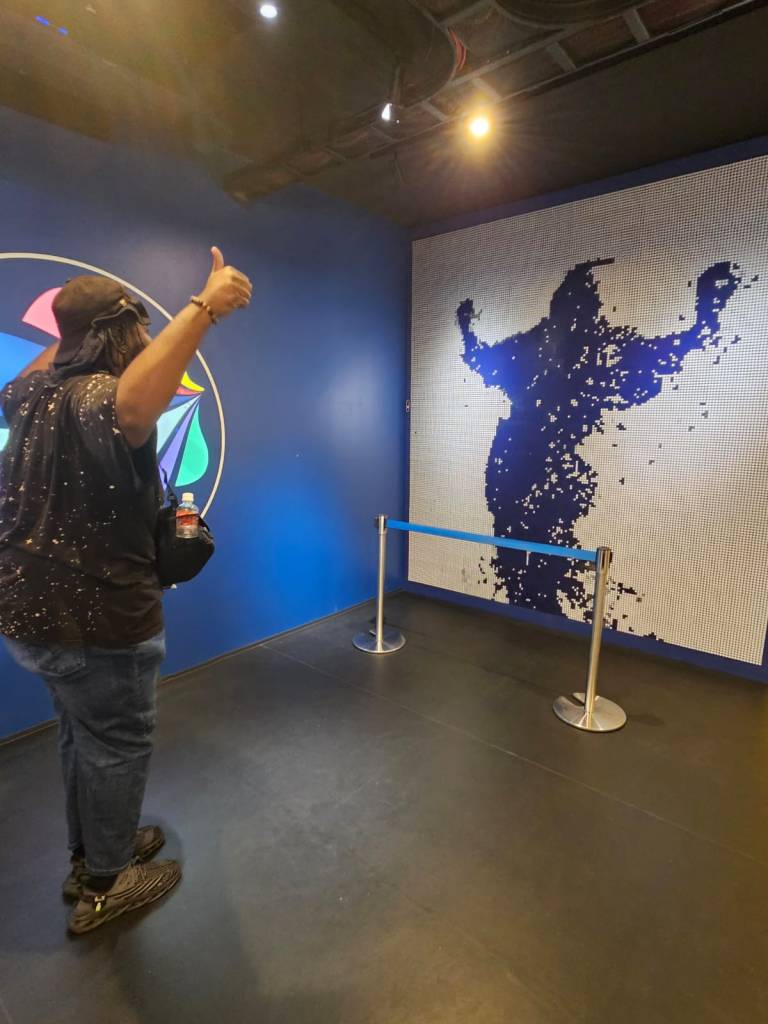
- Healthcare: While attending the 2025 Expo, I visited the Belgium pavilion where they focused on using digital clones (or deepfakes) to test medical treatments and/or therapies before executing them on real patients. These digital clones would require the patients consent and would provide a plethora of information to utilize to enhance patient safety.
One of the main detriments associated with deepfake technologies is the implied intent to deceive. Many may wonder how something that could be used to make people seem to say things they’ve never said or appear to do things they’ve never done; regardless, the intent behind the use of any tool/technology is the driving force that propels it to higher uses.
I’m sure there are other uses of deepfake technology that would/could be beneficial; however, it’s difficult to imagine positive uses when the definition itself includes malicious use. Overtime, I am confident we will either find a more appropriate term to discuss this technology, or find a way to provide the term with a more positive connotation.
 Tea Time w/ T
Leave a comment